
Understanding the Different Types of Healthcare Marketing for Sustainable Practice Growth

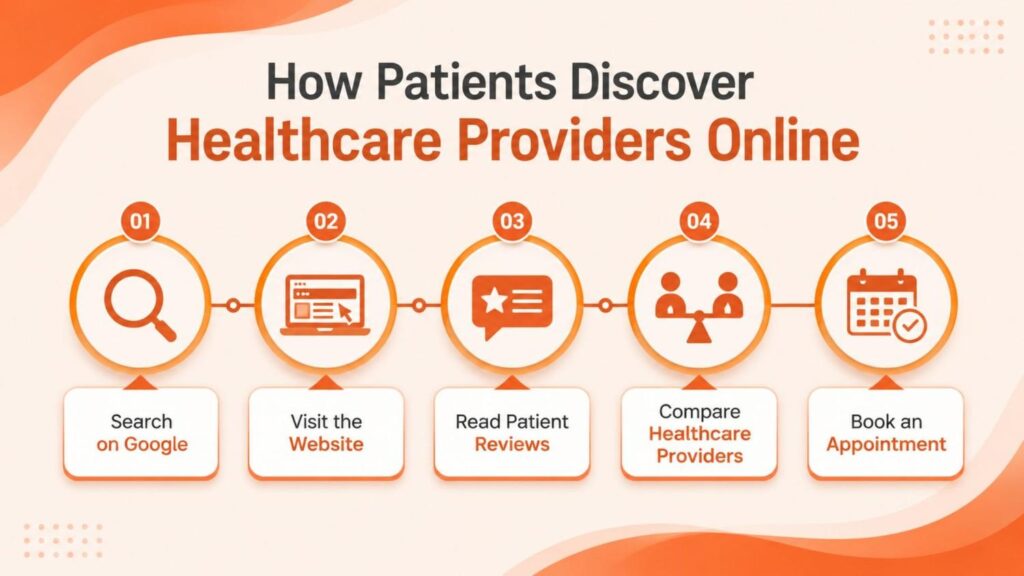
Healthcare has become increasingly digital, changing the way patients search for doctors, clinics, hospitals, and treatment options. Before scheduling an appointment, most people compare healthcare providers online, read reviews, browse websites, and explore social media profiles. As a result, understanding the Types of Healthcare Marketing has become essential for healthcare professionals who want to strengthen their online presence and connect with the right audience.
The Types of Healthcare Marketing include a combination of digital strategies that help healthcare providers educate patients, improve visibility, build trust, and generate qualified enquiries. From search engine optimization and content marketing to social media, local SEO, and reputation management, each marketing approach plays a unique role in supporting long-term growth. This guide explains the most effective healthcare marketing methods and how they work together to create a successful digital strategy.
What is Healthcare Marketing?
Healthcare marketing refers to the strategies used by healthcare providers to communicate with potential and existing patients. Unlike traditional advertising, healthcare marketing focuses on educating patients, building trust, improving accessibility, and maintaining ethical communication.
Modern healthcare marketing combines multiple digital channels to ensure that patients can easily find accurate information, book appointments, and engage with healthcare providers online.
Understanding the various Types of Healthcare Marketing helps clinics and hospitals choose the right combination of strategies based on their goals and target audience.
Why Understanding the Types of Healthcare Marketing Matters
Every healthcare organization has different objectives. A newly established clinic may need to improve visibility, while a well-known hospital may focus on strengthening patient engagement or expanding into new specialties.
Knowing the Types of Healthcare Marketing helps healthcare providers:
- Improve online visibility
- Build patient trust
- Reach local audiences
- Increase appointment enquiries
- Strengthen brand awareness
- Educate patients effectively
- Improve search engine rankings
- Support long-term practice growth
Instead of relying on a single marketing channel, combining different strategies creates a stronger and more sustainable online presence.
Types of Healthcare Marketing
Healthcare marketing consists of several interconnected strategies. Each type contributes to attracting, engaging, and retaining patients while supporting ethical communication and long-term growth.
The following are the most important Types of Healthcare Marketing used by healthcare providers today.
Search Engine Optimization (SEO)
Search Engine Optimization, commonly known as SEO, helps healthcare websites appear higher in search engine results when patients search for doctors, treatments, or healthcare services.
SEO includes:
- Keyword research
- On-page optimization
- Technical SEO
- Blog optimization
- Internal linking
- Local keyword targeting
- Mobile optimization
SEO is one of the most valuable Types of Healthcare Marketing because it generates long-term organic visibility without relying entirely on paid advertisements.
Local SEO
Local SEO focuses on helping healthcare providers appear in searches related to their geographic location.
Examples include:
- Dentist near me
- Skin clinic in Kochi
- Orthopedic doctor in Thrissur
Local SEO strategies include:
- Optimizing Google Business Profile
- Location-specific landing pages
- Local keyword optimization
- Map optimization
- NAP consistency
- Local citations
This type of marketing is especially valuable for clinics and hospitals that primarily serve nearby communities.
Content Marketing
Content marketing focuses on educating patients while improving search engine rankings.
Educational content builds authority and helps patients make informed healthcare decisions.
Content marketing includes:
- Medical blogs
- Treatment pages
- Service pages
- Patient education articles
- Frequently Asked Questions
- Infographics
- Healthcare guides
- Case studies
Among the Types of Healthcare Marketing, content marketing provides long-lasting value by continuously attracting new website visitors.
Social Media Marketing
Social media enables healthcare providers to interact with patients beyond the clinic.
Popular platforms include:
- YouTube
Healthcare social media content may include:
- Health awareness campaigns
- Preventive care tips
- Doctor introductions
- Patient education videos
- Festival greetings
- Clinic updates
- Wellness advice
A consistent social media presence improves engagement and strengthens patient relationships.
Website Marketing
A healthcare website often creates the first impression for potential patients.
An effective healthcare website should include:
- Mobile-friendly design
- Fast loading speed
- Easy navigation
- Appointment forms
- Doctor profiles
- Treatment information
- Patient testimonials
- Contact details
- Secure browsing
Website optimization is one of the foundational Types of Healthcare Marketing, as all digital campaigns eventually direct patients to the website.
Google Business Profile Marketing
Many patients search for nearby healthcare providers using Google Maps.
An optimized Google Business Profile helps healthcare providers improve local visibility.
Optimization includes:
- Accurate contact information
- Updated clinic hours
- Service listings
- Professional photographs
- Patient reviews
- Regular business updates
- Location optimization
This strategy significantly improves local patient enquiries.
Email Marketing
Email marketing helps healthcare providers maintain ongoing communication with patients.
Examples include:
- Appointment reminders
- Health newsletters
- Preventive care campaigns
- Vaccination reminders
- Seasonal health advice
- Clinic announcements
Email marketing encourages long-term patient engagement while supporting retention.
Video Marketing
Video content continues to grow in popularity because patients often prefer visual explanations.
Healthcare videos may include:
- Doctor introduction videos
- Treatment explanations
- Frequently asked questions
- Procedure overviews
- Patient education
- Wellness tips
- Healthcare awareness campaigns
Video marketing builds credibility while making complex medical information easier to understand.
Paid Advertising
Paid advertising helps healthcare providers reach potential patients quickly.
Common platforms include:
- Google Ads
- Meta Ads
- YouTube Ads
- Display Advertising
- Remarketing Campaigns
Paid campaigns are useful for promoting:
- New clinics
- Specialty services
- Awareness campaigns
- Seasonal healthcare services
- Health check-up packages
When managed effectively, paid advertising complements organic marketing strategies.
Online Reputation Management
Online reviews strongly influence patient decisions.
Reputation management involves:
- Monitoring reviews
- Responding professionally
- Encouraging patient feedback
- Addressing concerns
- Maintaining transparency
Positive online reviews build confidence and improve trust before patients schedule consultations.
Healthcare Branding
Branding goes beyond designing a logo.
Healthcare branding focuses on creating a consistent and trustworthy identity.
Effective branding includes:
- Professional visual identity
- Consistent messaging
- Ethical communication
- Patient-focused values
- Doctor positioning
- Clinic identity
- Brand consistency
Strong branding helps patients recognize and remember healthcare providers.
Choosing the Right Healthcare Marketing Strategy
Not every healthcare provider requires the same marketing approach.
A successful strategy depends on factors such as:
- Medical specialty
- Target audience
- Practice size
- Geographic location
- Competition
- Marketing objectives
- Available budget
Combining multiple Types of Healthcare Marketing often delivers better long-term results than relying on a single strategy.
Common Mistakes to Avoid
Healthcare providers should avoid common marketing mistakes such as:
- Ignoring SEO
- Having an outdated website
- Inconsistent branding
- Poor-quality content
- Infrequent social media activity
- Ignoring online reviews
- Not optimizing Google Business Profile
- Lack of performance monitoring
Avoiding these issues helps maximize marketing effectiveness.
Future of Healthcare Marketing
Healthcare marketing continues to evolve alongside technology and patient expectations.
Emerging trends include:
- Artificial intelligence
- Personalized patient experiences
- Voice search optimization
- Video-first content
- Interactive patient education
- Data-driven marketing
- Enhanced local search optimization
Healthcare providers that adapt to these trends will remain more competitive in the digital landscape.
How Different Types of Healthcare Marketing Work Together
Although each strategy serves a different purpose, they become most effective when integrated into a single marketing plan.
For example:
- SEO helps patients discover your website.
- Content marketing answers their questions.
- Social media keeps them engaged.
- Google Business Profile improves local visibility.
- Paid advertising expands your reach.
- Reputation management builds trust.
- Email marketing encourages repeat engagement.
Combining these Types of Healthcare Marketing creates a seamless patient journey, from the first online search to long-term patient relationships. While understanding the different types of Healthcare Marketing is essential, implementing them as part of a well-planned digital strategy delivers the best results. To explore how these strategies work together to improve online visibility, build patient trust, and generate qualified enquiries, read our comprehensive guide on Healthcare Marketing.
Conclusion
The Types of Healthcare Marketing continue to evolve as patient expectations and digital technologies change. Healthcare providers who understand and implement the right combination of SEO, content marketing, social media, website optimization, Google Business Profile management, branding, and reputation management are better positioned to reach potential patients and build lasting trust.
A successful healthcare marketing strategy is not built around a single tactic but through the integration of multiple digital channels that work together. By choosing the right Types of Healthcare Marketing, clinics, hospitals, and healthcare professionals can improve online visibility, educate patients, strengthen their reputation, and achieve sustainable long-term growth. For businesses looking to build a comprehensive digital presence, this cluster page complements the broader healthcare marketing strategies discussed in the pillar page. For additional information, refer to the Google Search Central SEO Starter Guide to learn how search engine optimization helps improve website visibility and online performance.

